



Every gambler has heard the phrase "the house always wins." It's true in the aggregate, but it's also useless as advice. The casino doesn't win every hand, every spin, or every session. It wins over millions of decisions, edge by edge, in margins so thin that most punters never notice them. Understanding where that edge comes from — and where it doesn't exist — is the difference between someone who plays for entertainment and someone who plays like a mark.
This isn't a lecture about quitting. It's a practical breakdown of how iGaming actually works, from the math behind slots to the psychology of a poker table. If you're going to put money down, you should at least know what you're up against.
House Edge: The Quiet Tax on Every Bet
Every casino game carries a built-in mathematical advantage for the operator. That advantage is called the house edge, and it's expressed as a percentage of each wager the casino expects to keep over the long run. It's not a fee. It's not deducted from your account. It's baked into the rules, the payouts, and the odds.
Here's how it looks across some common games:
- Blackjack (basic strategy): roughly 0.5% house edge on a standard 3:2 payout table
- Baccarat (banker bet): about 1.06%
- European roulette: 2.7%
- American roulette: 5.26% — the extra double-zero pocket is brutal
- Slots: typically 2% to 10%, with lower-volatility games often sitting near the lower end
- Keno: can exceed 25% depending on the paytable
Notice the spread. A player who spends an evening on baccarat is losing about a fifth as much to the edge as someone hammering American roulette for the same stakes. Over one session, that difference might feel like luck. Over a year, it's the gap between a manageable hobby and a slow bleed.
The takeaway isn't "only play baccarat." It's that game selection matters more than betting systems, gut feelings, or which seat you sit in. No progression strategy changes the edge. Martingale, Fibonacci, D'Alembert — they reshuffle variance, not expected value.
Slots: Volatility Is the Real Story
Slot players talk about RTP (return to player) like it's the whole picture. It's not. RTP tells you what percentage of all wagered money gets returned over millions of spins, but it says nothing about how those returns arrive.
That's where volatility comes in. A 96% RTP slot with high volatility might pay out a massive jackpot once every 500,000 spins and almost nothing in between. A 96% RTP slot with low volatility might trickle small wins constantly. Same theoretical return, totally different experience. This is explained well on musang4d.
A few practical points worth knowing:
- Volatility is usually labeled in the game info screen — low, medium, or high. Ignore it at your own risk.
- Bonus buy features typically cost 100x your base bet and carry slightly worse RTP than triggering the bonus naturally.
- Progressive jackpots often have lower base-game RTP because a slice of every bet feeds the pool.
- "Hot" and "cold" machines don't exist. Random number generators have no memory.
The smartest slot approach is simple: pick a volatility level that matches your bankroll and temperament, then treat every spin as a lottery ticket, not an investment.
Poker Is Different — and That's the Point
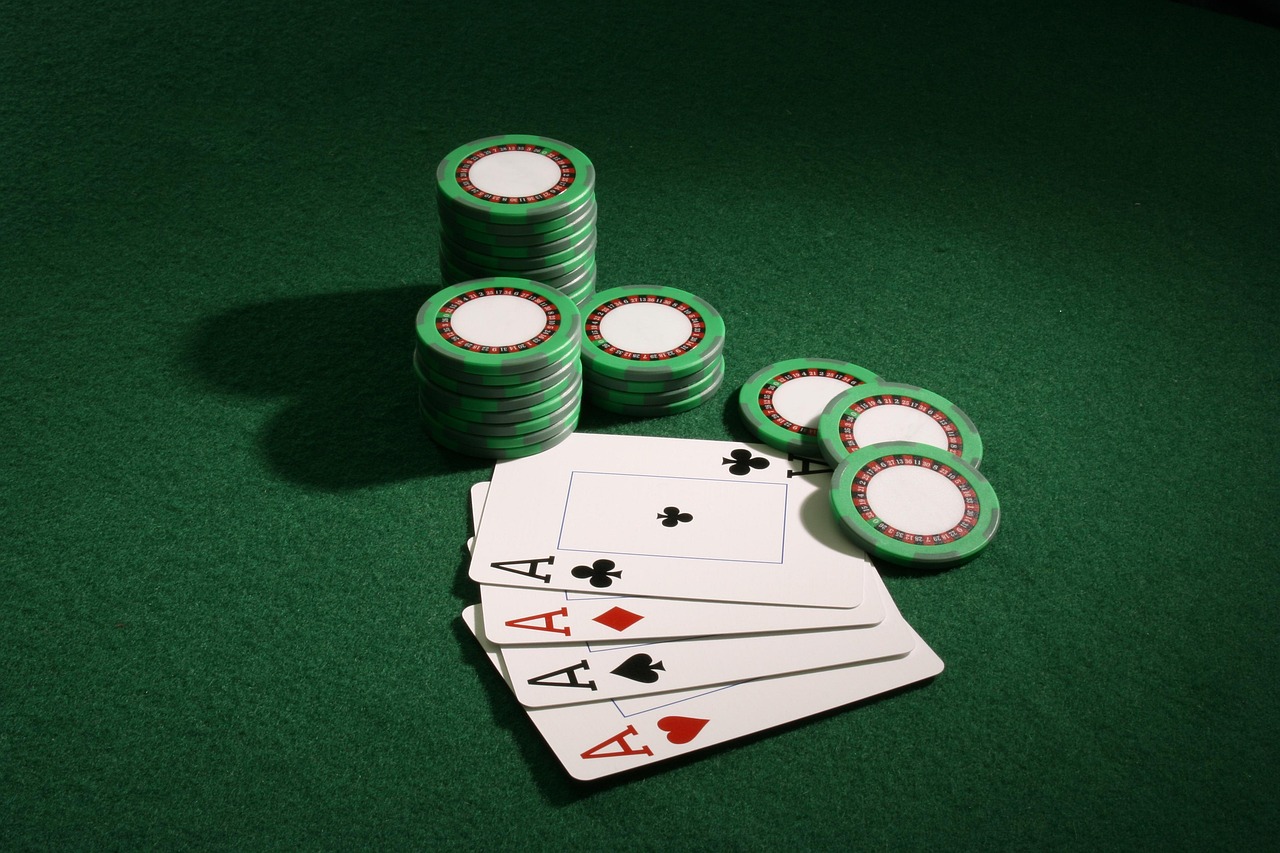
Poker is the one major casino game where skilled players can genuinely beat the house over time. Notice the phrasing: the house. In poker, the casino doesn't play against you. It takes a rake — usually 5% to 10% of each pot, capped at a few dollars — and lets players fight over the rest.
That distinction changes everything. If you're consistently better than the players at your table, you profit. If you're not, you're the one funding everyone else's win rate.
A few realities that separate winning players from break-even ones:
- Position beats cards. Acting last gives you information and control. A mediocre hand on the button is often worth more than a strong hand in early position.
- Bankroll management is non-negotiable. Standard guidance is 20 to 30 buy-ins for cash games and 50 to 100 for tournaments. Playing above your roll forces scared decisions.
- Rake kills small-stakes games. At micro limits, the rake can consume more than a strong player's edge. Moving up isn't always smarter, but staying too low has its own math problem.
- Table selection is free money. Sitting with weak, loose, or tilted opponents matters more than any advanced strategy.
Most players never track results properly, which means they never actually know if they're winning. A simple spreadsheet — date, stakes, hours, profit/loss — will tell you more about your game than any training video.
Sports Betting: Where the Sharp Money Lives
Sports betting feels different because it's framed as knowledge, not chance. In some ways that's true — information matters. In others, it's an illusion. Bookmakers set lines with margins built in, and the margin is the edge.
If a coin flip is priced at -110 on both sides, you have to win 52.4% of the time just to break even. That's the vig, and it quietly devours recreational bettors who think they're picking winners at a decent clip.
Beating the closing line consistently is the closest thing to proof of skill. If your bets routinely get better numbers than the final line before kickoff, you're probably doing something right. If they don't, you're probably paying the vig for entertainment — which is fine, as long as you know it.
The Bottom Line
None of this is meant to scare anyone away from iGaming. Casinos, slots, poker rooms, and sportsbooks exist because people enjoy them, and there's nothing wrong with enjoying them. But the players who last — who don't burn out, don't chase losses, and don't wake up wondering where the money went — are the ones who respect the math.
Know the edge. Choose games that suit your bankroll. Track your results honestly. Treat the whole thing as the cost of entertainment, not a path to income. Do that, and the house can keep its edge. You'll keep something more valuable: the ability to walk away on your own terms.
Related posts
More stories you’ll love reading