


You've seen the ads: a smiling guy in a suit, a massive jackpot counter, a promise of easy money. But iGaming is a far more complex beast than those thirty-second spots suggest. Whether you're into slots, poker, sports betting, or live dealer games, the landscape is constantly shifting. And if you're going to spend your time and money here, you owe it to yourself to understand what's actually going on.
This isn't a scolding. It's a field guide. I've been around the industry long enough to see trends come and go, and I've watched plenty of players succeed and fail. What follows is the distilled wisdom—the stuff you'd learn after a few years of playing, without the expensive trial and error.
The House Edge: Your Constant Companion
Every game you play has a mathematical edge baked in for the operator. That's not a conspiracy; it's how the business stays in business. The key is knowing how big that edge is, because it varies wildly.
Take slot machines. A typical online slot might have a return-to-player (RTP) of 96%, meaning the house edge is 4%. But plenty of slots run at 94% or even 92%. Over thousands of spins, that difference is huge. If you wager $1,000 on a 96% slot, you expect to lose $40 on average. On a 92% slot, it's $80. Suddenly, game selection matters.
Poker is different. In cash games, you're not playing against the house; you're playing against other players. The house takes a rake—a small percentage of each pot. That rake can be beatable if you're skilled. But in casino games like blackjack or roulette, the edge is fixed unless you're counting cards (and online, that's mostly futile).
Sports betting? The vig, or juice, is typically around 4-5% on a standard -110 line. That means you need to win about 52.4% of your bets just to break even. Think about that next time you're tempted by a -200 favorite.
Slots: More Than Just Spin and Pray
Slots get a bad rap from serious players, but they're not all created equal. Modern video slots come with a dizzying array of features: wilds, scatters, free spins, multipliers, bonus buy-ins. Some are pure luck; others have enough variance to attract advantage players.
If you're going to play slots, do a little homework. Look for games with high RTP and low-to-medium volatility if you want longer playtime. High-volatility slots can pay huge, but they can also eat your bankroll in minutes. And don't chase progressive jackpots unless you understand that the odds are astronomical—you're basically buying a lottery ticket with worse odds.
One more thing: check the paytable. Not all symbols are created equal, and some slots have wild symbols that expand or sticky wilds that stay in place during free spins. Knowing these details can change your strategy from random clicking to something resembling a plan.
Poker: The Skill Game Hiding in Plain Sight
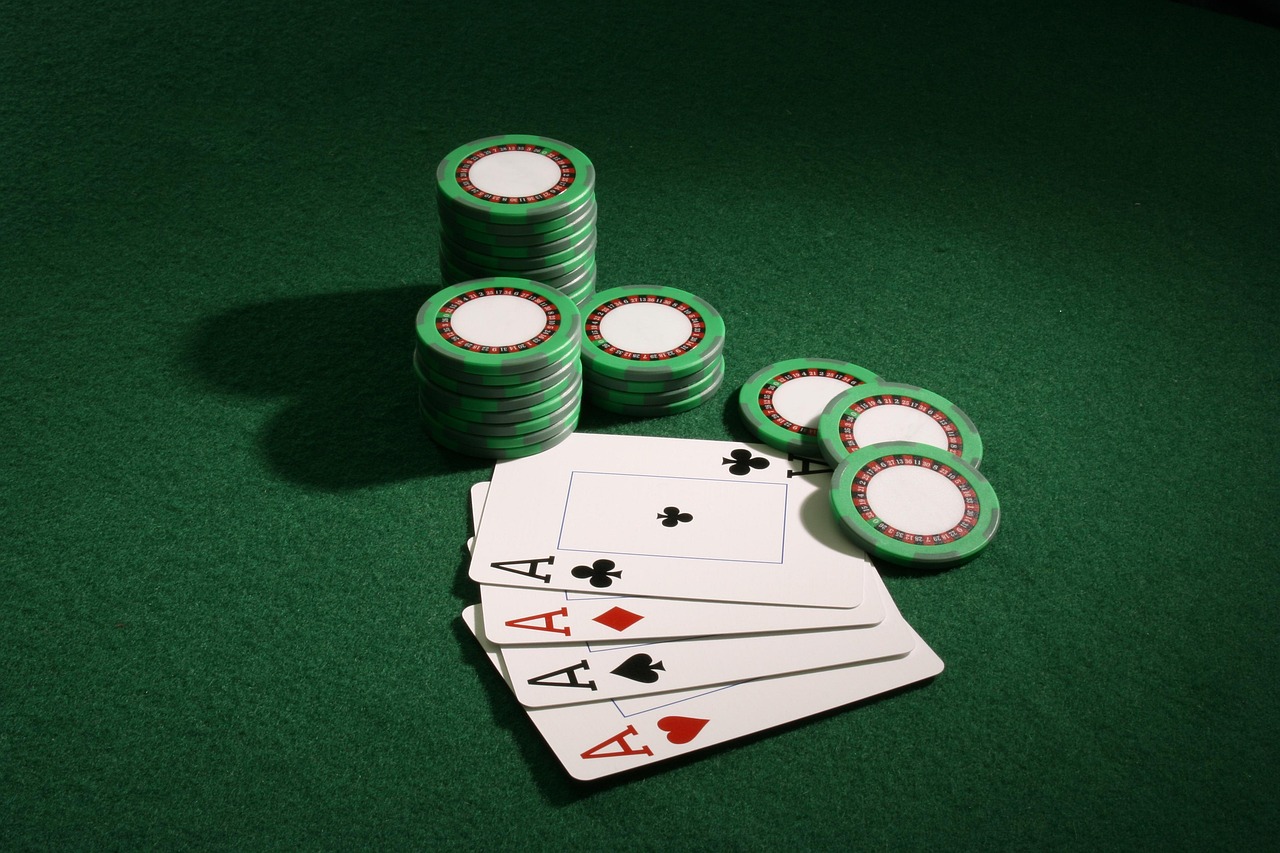
Poker is the one game in the casino where you can consistently win if you're better than your opponents. But 'better' doesn't mean you know the rules; it means you understand position, pot odds, ranges, and psychology.
Online poker today is tough. The days of easy money from drunk tourists are largely gone. You're up against a mix of semi-pros, grinders, and recreational players who have watched hours of Twitch streams. To compete, you need to study. See FUN88 for a side-by-side comparison.
Start with a solid preflop strategy. Tight is right, especially at low stakes. Play fewer hands, but play them aggressively. Then learn about board texture and how to bluff on the right boards. And use a tracker—software that records your hands and gives you stats on opponents. It's not cheating; it's standard.
Bankroll management is non-negotiable. Even the best players go on downswings. If you're playing $1/$2 no-limit, you should have at least 20 buy-ins ($4,000) dedicated to poker. Otherwise, one bad session can wipe you out.
Sports Betting: Beyond Picking Winners
There's a romantic notion that sports betting is about predicting winners. In reality, it's about finding value. The bookmaker sets a line, and your job is to decide if that line is wrong. If you think the underdog has a 40% chance to win but the odds imply only 35%, that's a value bet—even if you lose that particular game. Before making a choice, it helps to review FUN 88.
To do this well, you need to specialize. Don't bet on every sport and every league. Pick a niche—say, NBA player props or English Premier League corners—and become an expert. Know the injuries, the weather, the referee tendencies. That's where the edge lives.
Also, shop around. Different sportsbooks offer different lines and promotions. A half-point difference in football can be the difference between a win and a loss. And always, always take advantage of sign-up bonuses and free bets, but read the terms—rollover requirements can be brutal.
The Future: Live Dealer, Crypto, and Skill Games
iGaming is evolving fast. Live dealer games—where a real person spins the wheel or deals the cards via video stream—are exploding in popularity. They combine the convenience of online with the social feel of a land-based casino. Evolution Gaming and Playtech are the big names here, and their production quality is impressive.
Cryptocurrency has also made inroads. Bitcoin casinos offer anonymity, fast withdrawals, and provably fair games. But the regulatory landscape is murky, and you have zero recourse if something goes wrong. If you go that route, do your research and stick to reputable operators.
Skill-based games are another frontier. Games like poker and daily fantasy sports blur the line between gambling and competition. Some jurisdictions are starting to regulate them separately, which could open up new opportunities.
Final Thoughts: Play Smart, Not Just Hard
iGaming can be a fun hobby, a side income, or a quick way to lose your shirt. The difference comes down to education and discipline. Know the house edge. Manage your bankroll. Specialize. And never chase losses—that's how casual players become cautionary tales.
The industry wants you to think it's all luck. The truth is, the more you learn, the less you leave to chance. So before you deposit next month's rent, take a step back and ask: are you playing the game, or is the game playing you?
Related posts
More stories you’ll love reading