


You’ve probably noticed the explosion of online casinos and sportsbooks flooding your feed. But here’s the thing: most people jump in blind, chase bonuses they don’t understand, and wonder why their bankroll evaporates faster than a free spin. The difference between a casual player and someone who actually extracts value from iGaming isn’t luck—it’s knowledge. This isn’t about hacking the system or finding a secret loophole. It’s about understanding the mechanics, the math, and the psychology that separate entertainment from a slow bleed. Whether you’re spinning slots, grinding poker tables, or betting on a Sunday derby, the principles are surprisingly consistent. Let’s break down what actually matters.
Slots: More Than Just Pulling a Lever
Slots get a bad rap from “serious” gamblers, but they’re the backbone of the iGaming world. The key is to treat them as what they are: high-volatility entertainment with a fixed house edge. Every slot has a Return to Player (RTP) percentage, usually between 92% and 97%. That means for every $100 wagered, the machine returns $92 to $97 over millions of spins. The casino keeps the rest. You can’t beat that long-term, but you can choose games with better RTP and volatility that matches your bankroll.
- High volatility slots (like Book of Dead or Money Train) pay out rarely but can hit massive. Your bankroll needs to survive long dry spells.
- Low volatility slots (like Starburst or Blood Suckers) pay smaller amounts frequently. Better for grinding bonuses or playing longer on a small budget.
- Progressive jackpots (Mega Moolah, WowPot) have terrible base RTP but a shot at millions. Only play if the dream is worth the extra house edge.
Here’s a concrete tip: check the paytable before spinning. If the max win is 5,000x your stake but the top symbol only pays 2x for five of a kind, you’re in for a grind. Also, avoid “bonus buy” features unless you’ve done the math. Buying a $100 bonus round for a 95% RTP slot means you’re paying $100 for an expected return of $95—not a bargain.
Poker: The Only Game Where You Play the Player
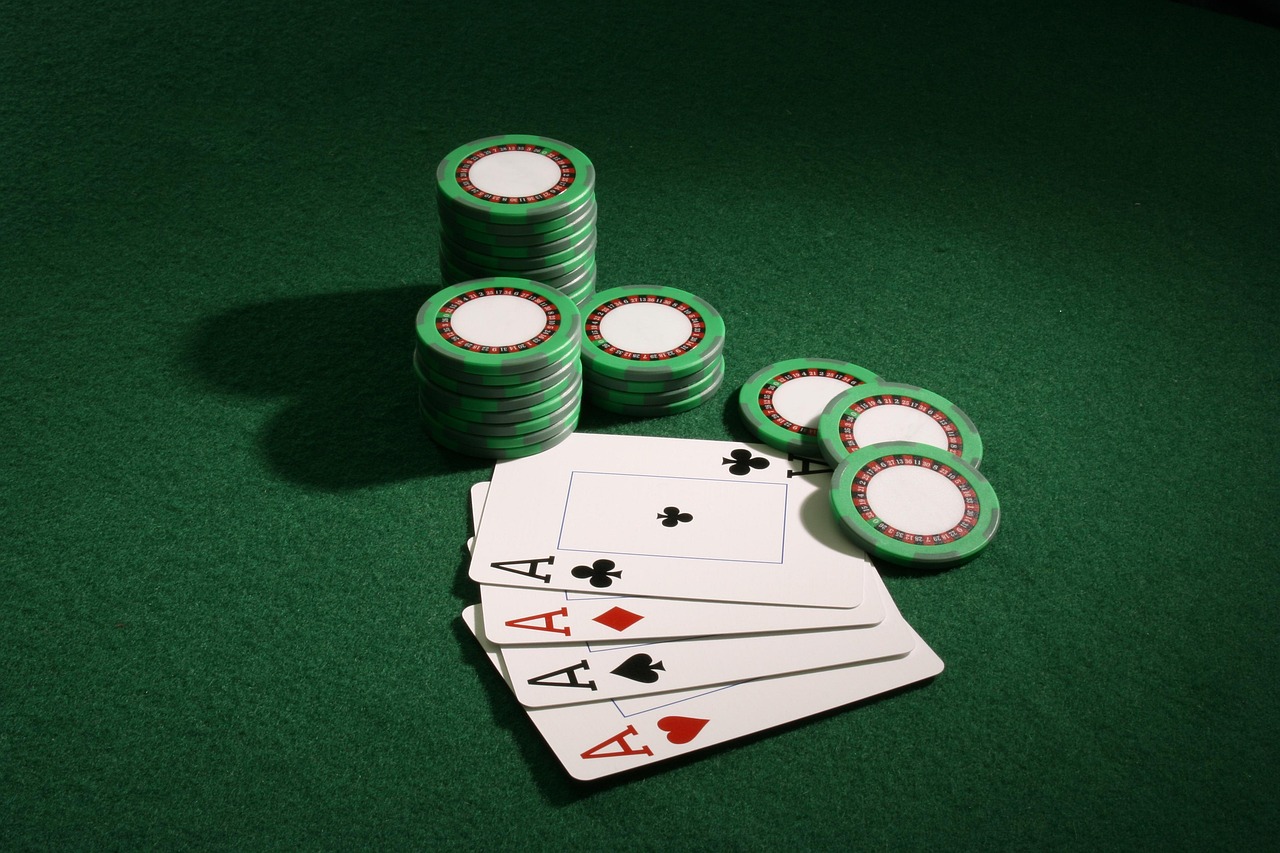
Poker is the one iGaming vertical where skill can genuinely overcome the house edge. But that doesn’t mean you’ll win. The rake—the cut the casino takes from each pot—is the real opponent. In micro-stakes online, the rake can be 5% to 10% of every pot, which crushes win rates. Move up to higher stakes where the rake is capped, and the game becomes beatable. But you need to be honest about your skill level.
Most players lose because they play too many hands, chase draws without pot odds, and tilt after a bad beat. If you want to be profitable, start with a tight-aggressive strategy: play fewer hands, bet them hard, and fold when the math says you’re behind. Use a tool like a hand history tracker (many are free) to review your sessions. Look for leaks—calling too much on the river, not three-betting enough, or playing out of position. One concrete stat: if your VPIP (voluntarily put money in pot) is above 30% in a full-ring game, you’re playing too loose. Aim for 18-22%. If you want to dig deeper, 789Win is worth a look.
Also, don’t ignore bankroll management. A common rule is to have at least 20 buy-ins for cash games and 50 buy-ins for tournaments. If you’re playing $0.50/$1 no-limit hold’em, that’s $2,000. Without that cushion, one bad session ends your run.
Sports Betting: Edge, Not Emotion
Betting on sports is not investing—but it can be treated like a market. The odds set by bookmakers imply a probability. Your job is to find when those odds are wrong. That’s called finding “value.” For example, if a book offers +150 on a team you believe has a 45% chance to win, the implied probability is 40% (100/(150+100)). You have a 5% edge. Over time, that edge pays.
But most bettors never calculate implied probability. They bet on favorites, parlays, and “sure things.” Here’s a hard truth: parlays are the casino’s best friend. A three-team parlay with each leg at -110 pays +600, but the true odds are +627. The book shortchanges you. If you love parlays, treat them as lottery tickets—small stakes, big dreams, no expectation of profit.
- Line shopping is non-negotiable. Different books offer different odds on the same game. A half-point in the NFL can swing a win to a loss.
- Closing line value (CLV) is the best predictor of long-term success. If you consistently beat the closing line, you’re a sharp bettor.
- Promotions and boosts can add 2-5% to your expected value. But read the terms—rollover requirements often kill the edge.
One practical step: keep a spreadsheet. Track every bet, the odds, the stake, and the result. After 200 bets, you’ll see patterns. Maybe you’re great at underdogs in NBA but terrible at Premier League favorites. Adjust.
Bonuses and Promotions: The Fine Print Matters
Casinos and sportsbooks dangle welcome bonuses like a carrot. But a 100% match up to $500 with a 40x wagering requirement means you must bet $20,000 before withdrawing a cent. On a 96% RTP slot, the expected loss on that $20,000 is $800. So your $500 bonus is actually a net negative. Always calculate the effective value: bonus amount minus expected loss from playthrough. A good place to continue is 789 Win.
Look for low wagering requirements (10x-20x), no game restrictions, and no max cashout limits. Some sites offer “sticky” bonuses where the bonus is removed upon withdrawal—those are almost always better for the player. And never take a bonus if you plan to play poker or bet on low-margin markets; those often contribute 0% to wagering.
The Psychology of iGaming: Know Yourself
The house doesn’t need to cheat. It just needs you to keep playing. Losses feel twice as bad as wins feel good—that’s loss aversion. So you chase losses, increase stakes, and ignore your bankroll rules. The fix is simple but hard: set a session limit before you log in. Use the site’s deposit limits and time-out features. If you feel the urge to “win it back,” close the tab. Seriously.
Another trap is the “near miss” on slots—two scatters instead of three. That triggers the same dopamine as a win, but your brain learns the wrong lesson. Recognize that near misses are designed by the math, not fate.
Final Thoughts: Play the Long Game
iGaming is entertainment, not a retirement plan. The smartest players treat it like a night out—they set a budget, they know the odds, and they walk away when it stops being fun. They also exploit the few edges that exist: rakeback in poker, line shopping in sports, and low-wagering bonuses in casino. None of this guarantees a profit. But it shifts the odds slightly in your favor. And in a world where the house always has an edge, that’s the only edge worth chasing. So before your next spin, bet, or raise, ask yourself: do I know the math, or am I just hoping? One answer builds skill. The other builds the casino’s bottom line.
Related posts
More stories you’ll love reading